Behzad Bozorgtabar

Associate Professor in Computer Vision & AI

Aarhus University · Founder and Director, Adaptive & Agentic AI (A3) Lab

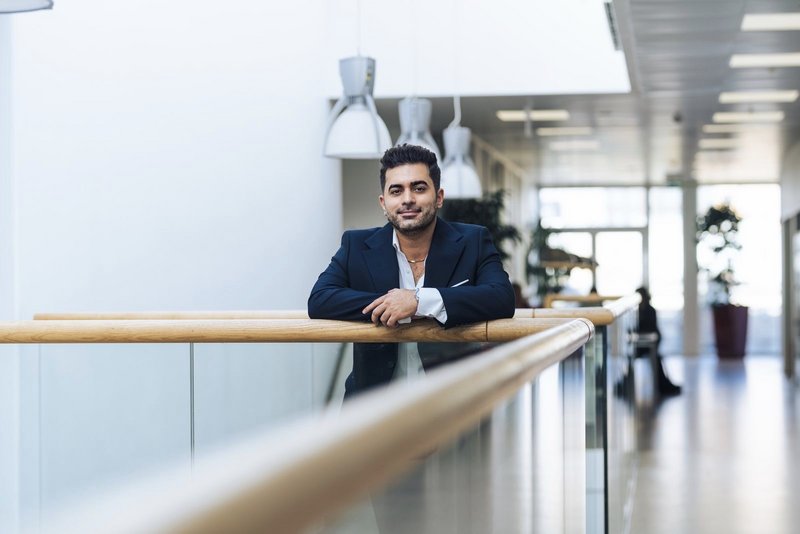
Behzad Bozorgtabar leaning on a wooden railing in a bright corridor at Aarhus University.
Photo: Aarhus University

I work on adaptive and agentic AI, grounded in computer vision, reliable learning and multimodal intelligence — systems that adapt under shift, know when they are uncertain, and act safely in the physical world.

About

Adaptive AI for a changing world

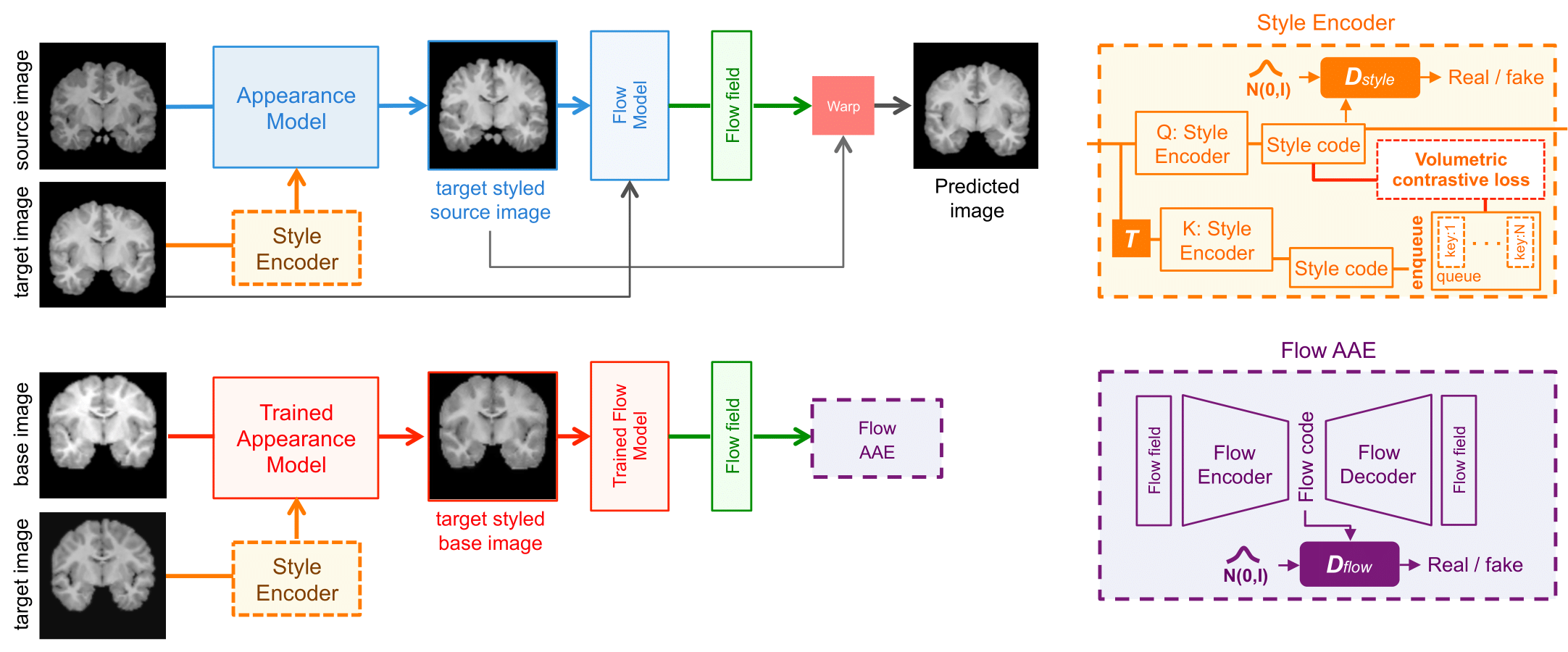
My research asks how learning systems keep performing when the world drifts away from their training data. With my group at Aarhus University, we develop test-time adaptation methods that update models on unlabelled streams, self-supervised representations that transfer across domains and tasks, and uncertainty estimates that tell a model when it should not be trusted. Much of this work is tested in medical imaging, where silent errors are costly.

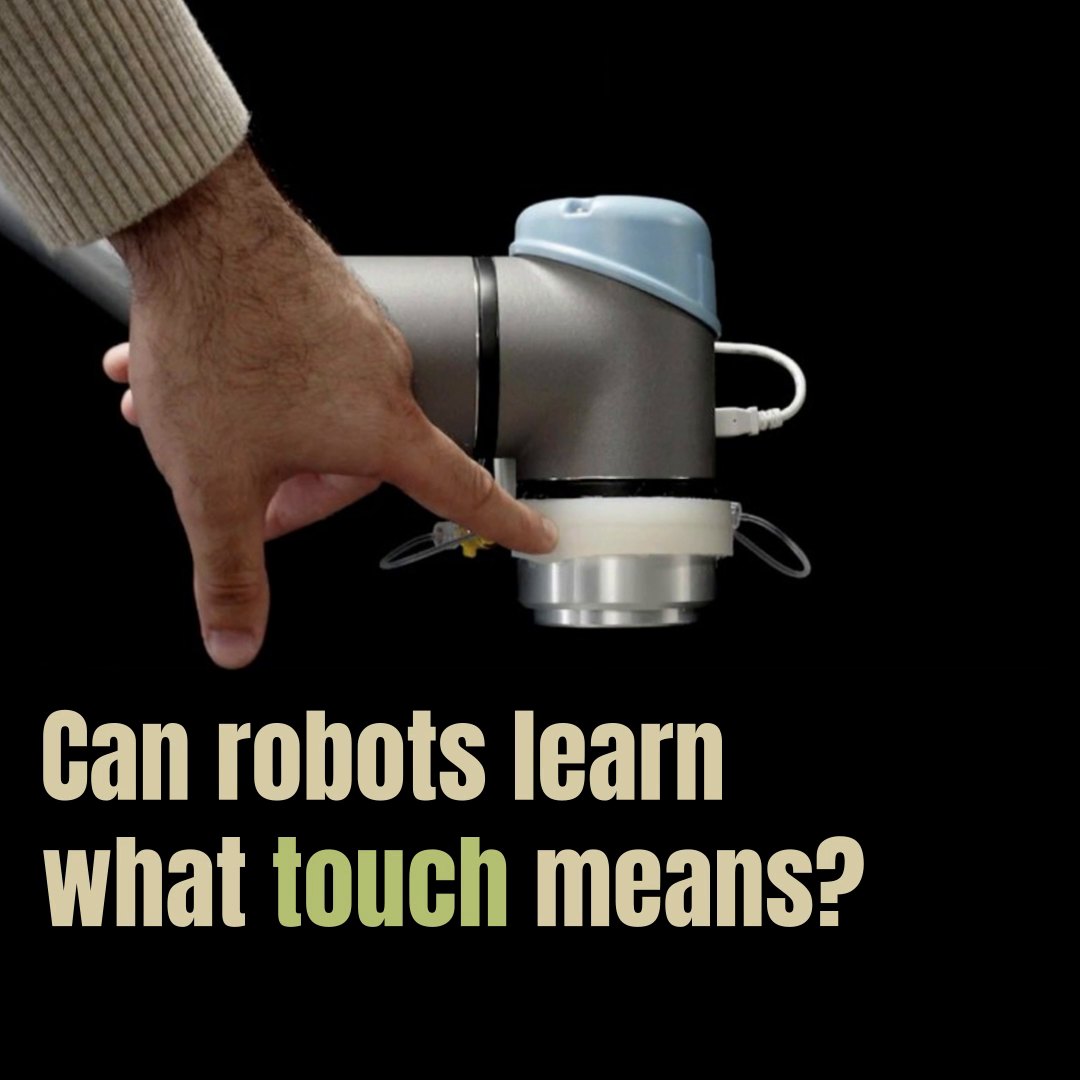
A growing part of my research takes these ideas into the physical world. In the STORM project, funded by the Independent Research Fund Denmark and starting in 2027, we will study how robots can use touch to notice unexpected physical changes, remember contact, and correct or stop when uncertainty is too high. With vision–language models that reason over images and text, this points towards agents that observe, adapt and act safely in changing real-world conditions.

Before joining Aarhus University in 2026, I was Head of the Computer Vision Team and Lecturer at École Polytechnique Fédérale de Lausanne (EPFL) from 2017 to 2025, with a joint position as Senior Researcher in the Department of Radiology at Lausanne University Hospital (CHUV) from 2019 to 2025, and earlier a Postdoctoral Research Fellow at IBM Research Australia. I received my PhD from the University of Canberra in 2016. I am also a Guest Professor at EPFL.

I am an elected Member of the European Laboratory for Learning and Intelligent Systems (ELLIS) since 2021 and, since 2026, an ELLIS Scholar and Advisor in the ELLIS PhD & Postdoc Programme, affiliated with the ELLIS Unit Lausanne at EPFL, where I support joint and co-supervised PhD positions across the ELLIS network.

Research

Four questions I keep returning to

Expand a theme to read a short explanation and representative work.
Adaptive AI and test-time learning

How can a deployed model keep learning from unlabelled test data when the world drifts, recurs and never stands still?

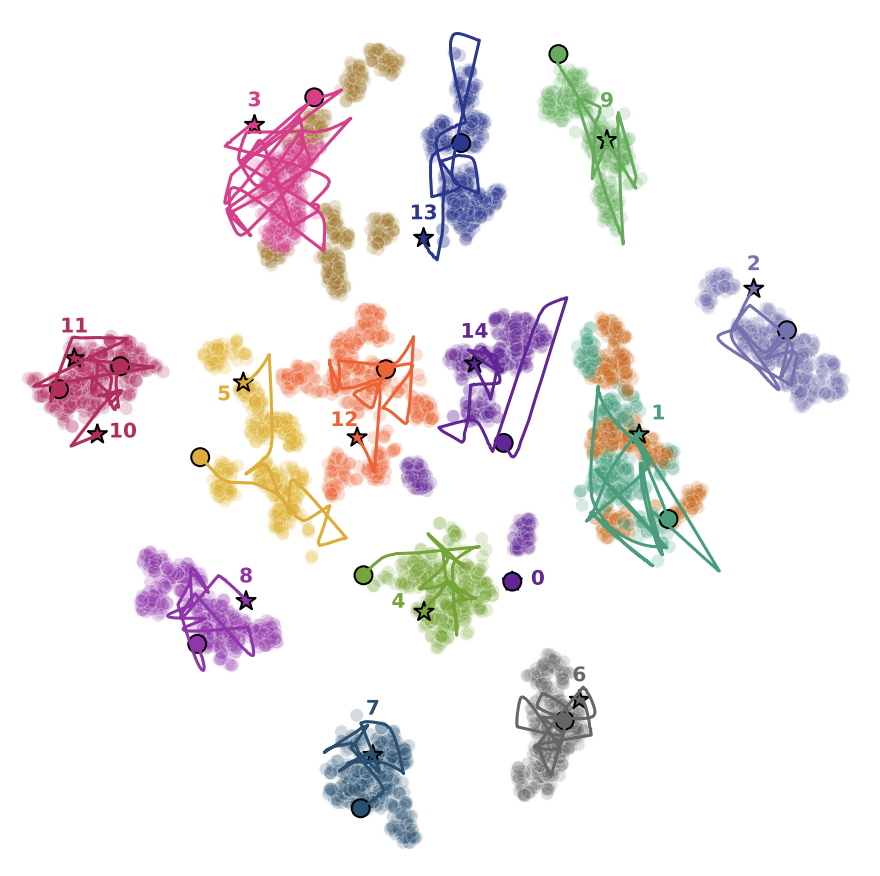
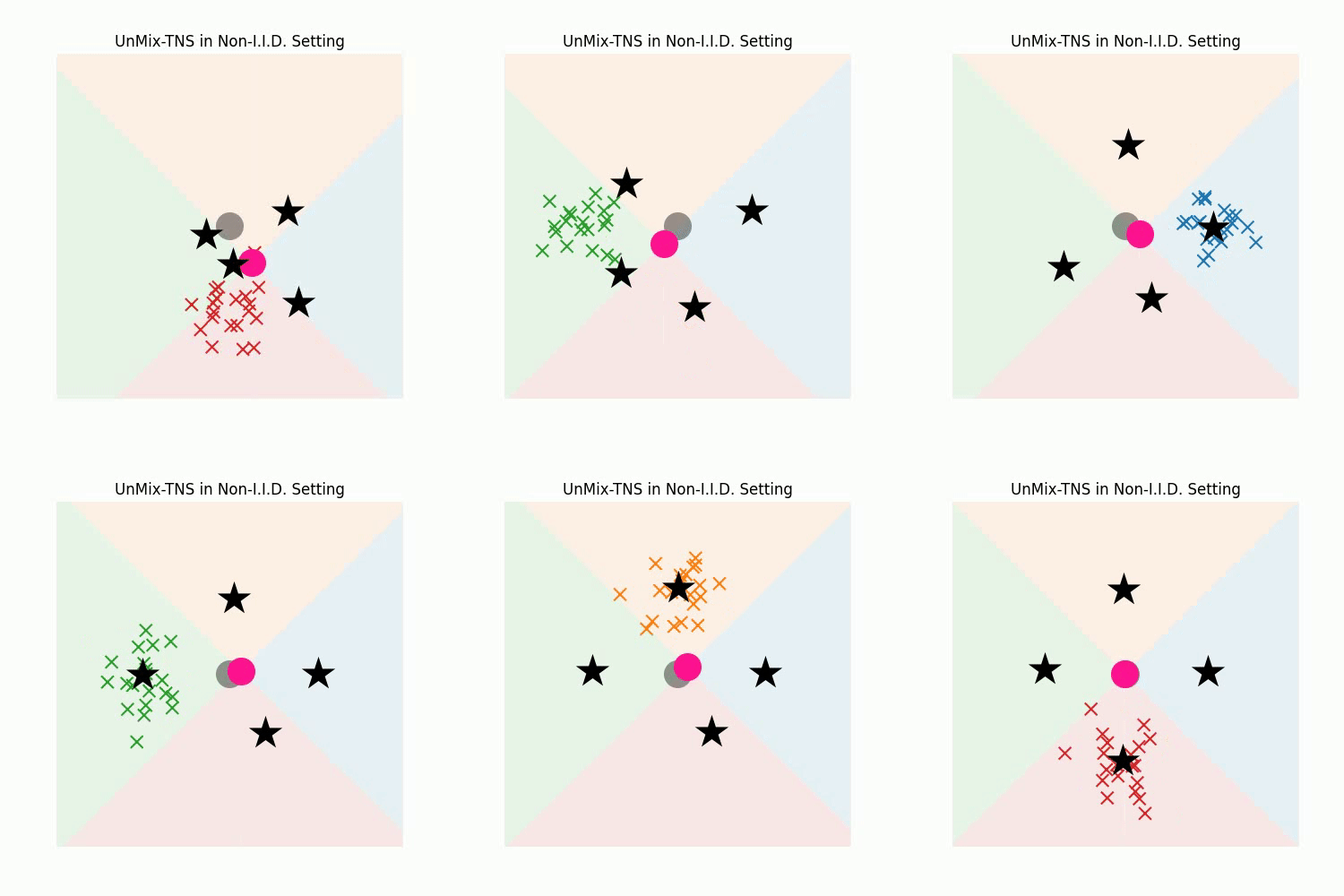
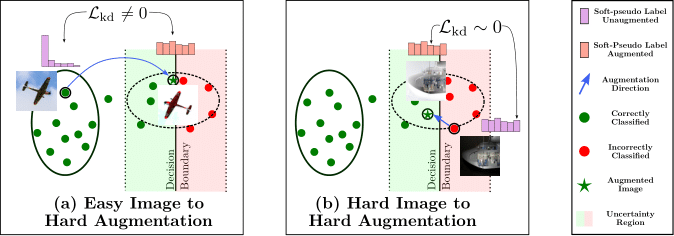
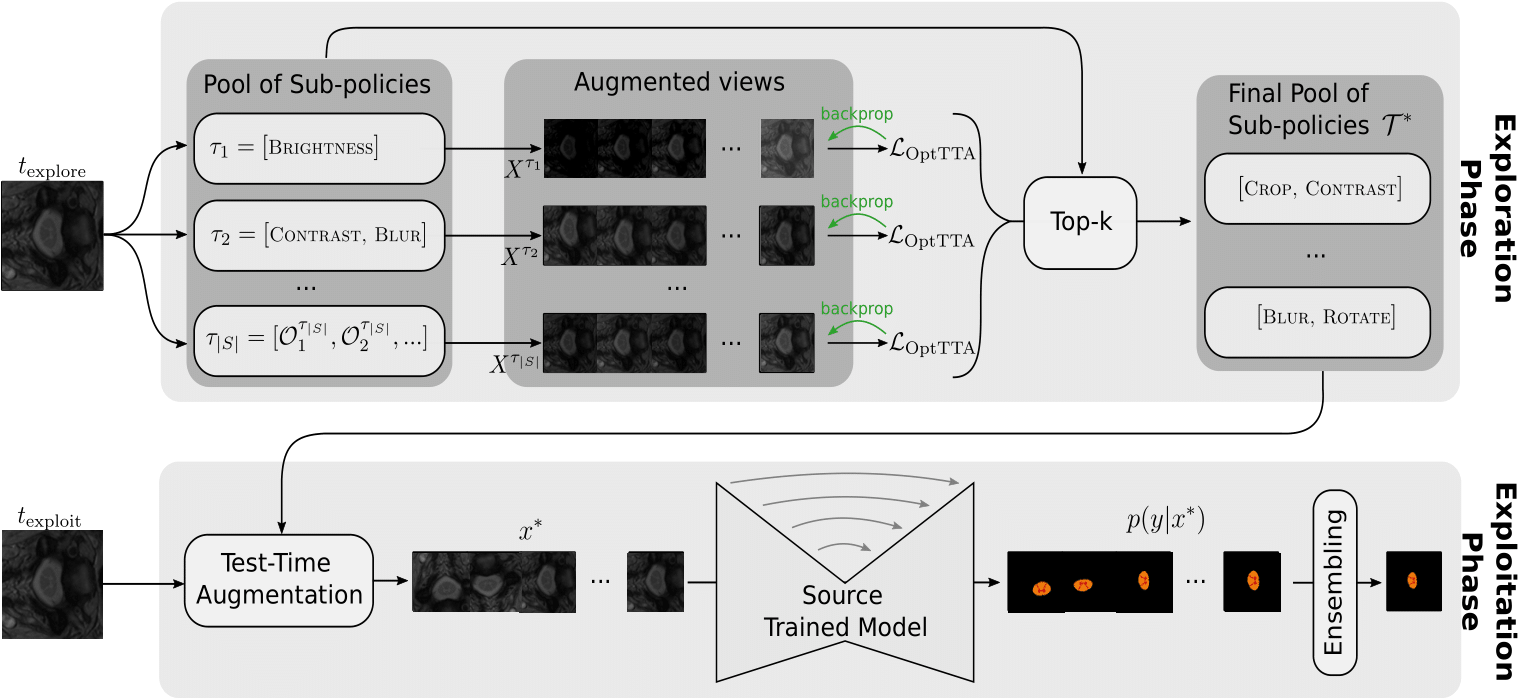
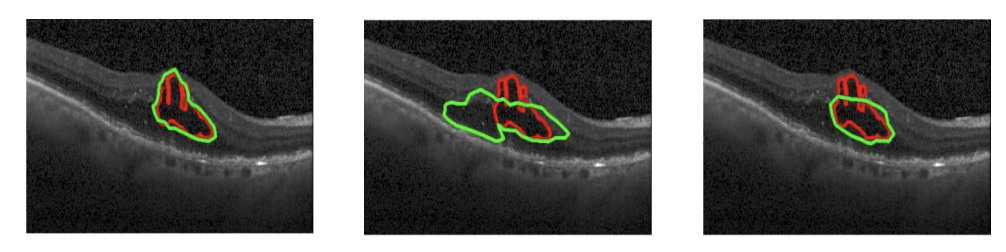
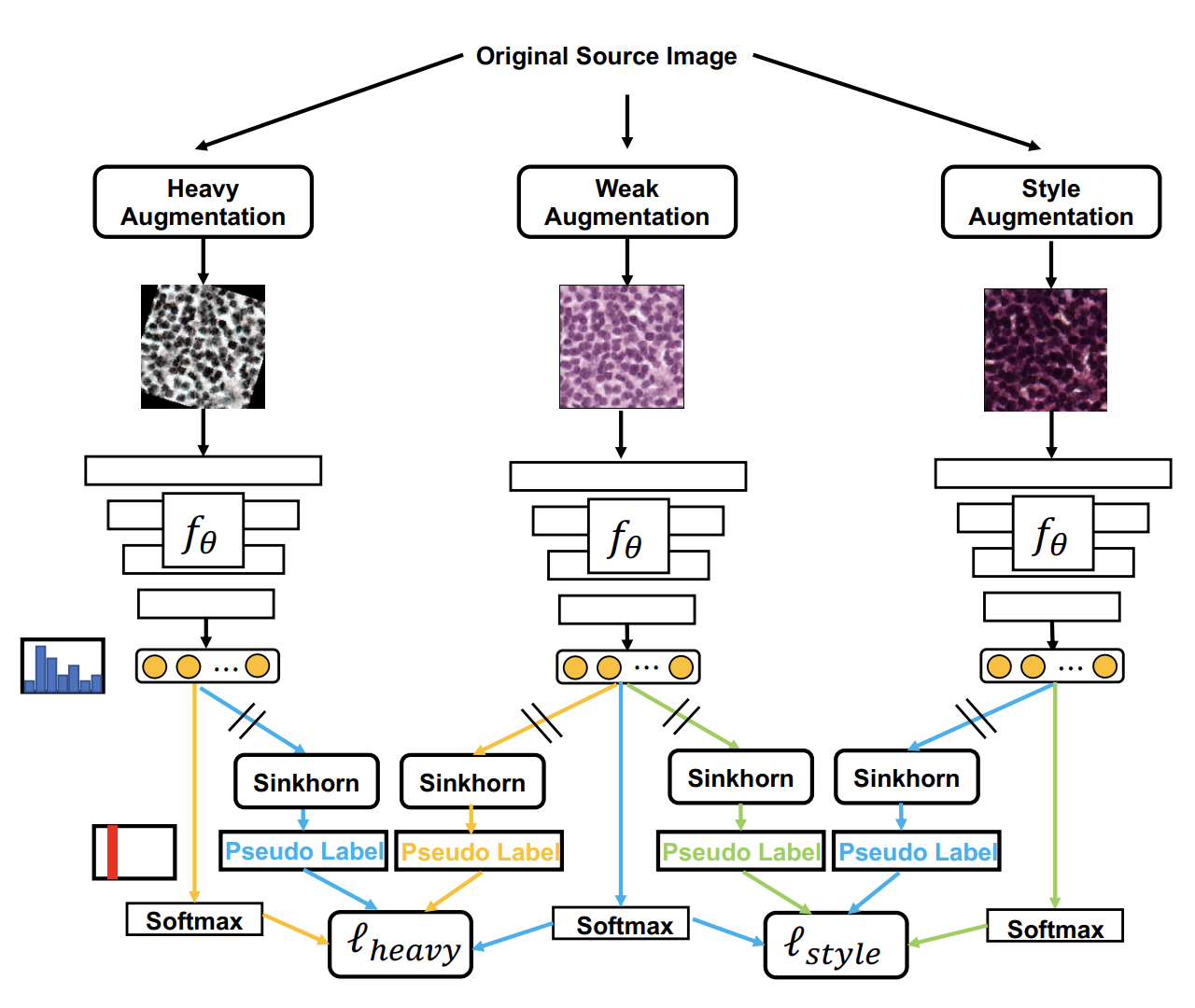
Models are trained once and then meet conditions that keep moving. This theme develops methods that adapt at deployment time, without source data or labels. The work includes self-training with learned adversarial augmentations, learnable test-time augmentation for medical image segmentation, normalisation statistics that stay correct when test streams are temporally correlated, and a reservoir of specialised models that recognises recurring domains instead of relearning them. Across these projects the question is how adaptation can stay stable over long, evolving deployments.
Reliable multimodal and medical AI

When a vision–language model reads a scan or answers a clinical question, how do we know when to trust it?

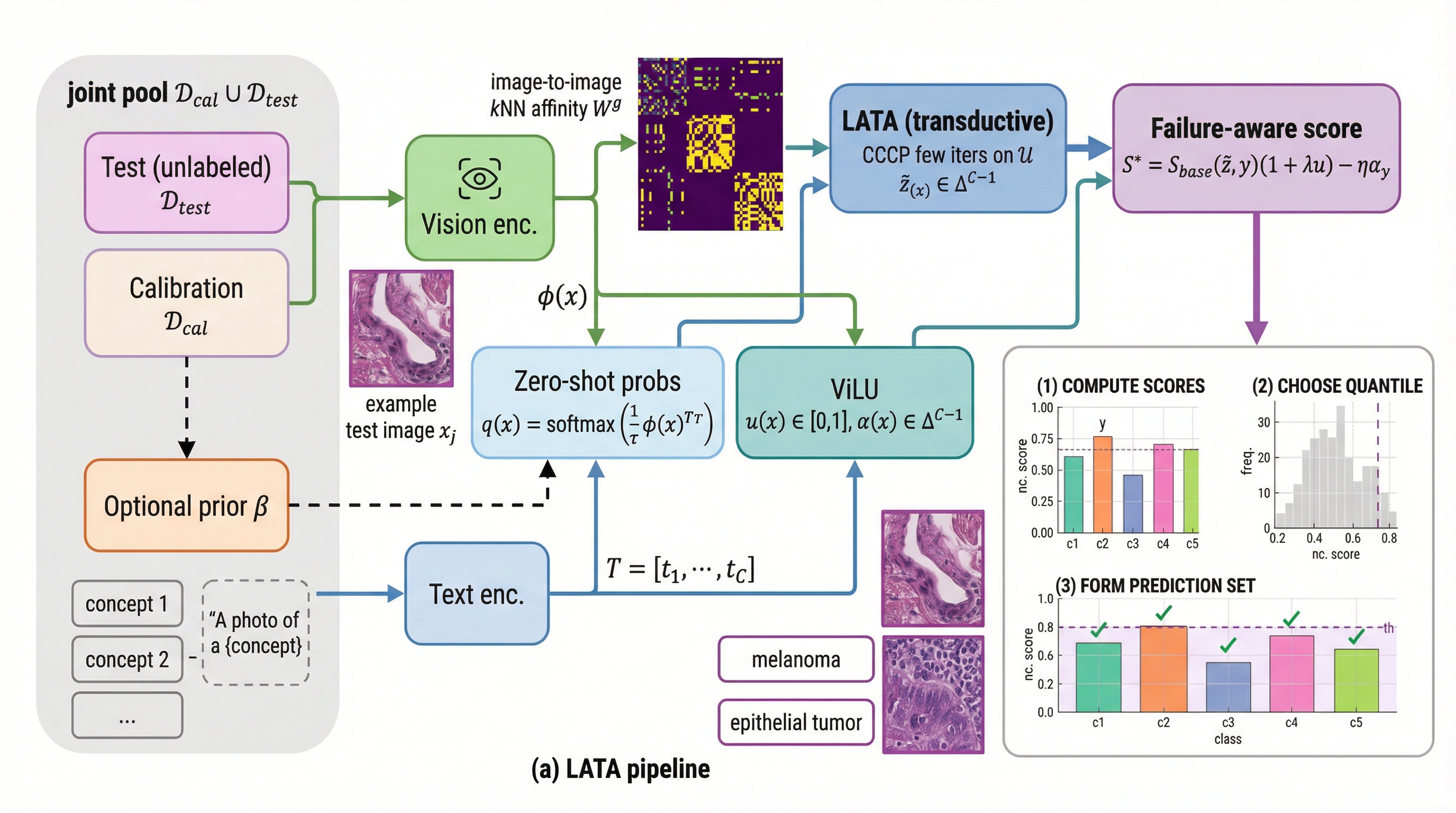
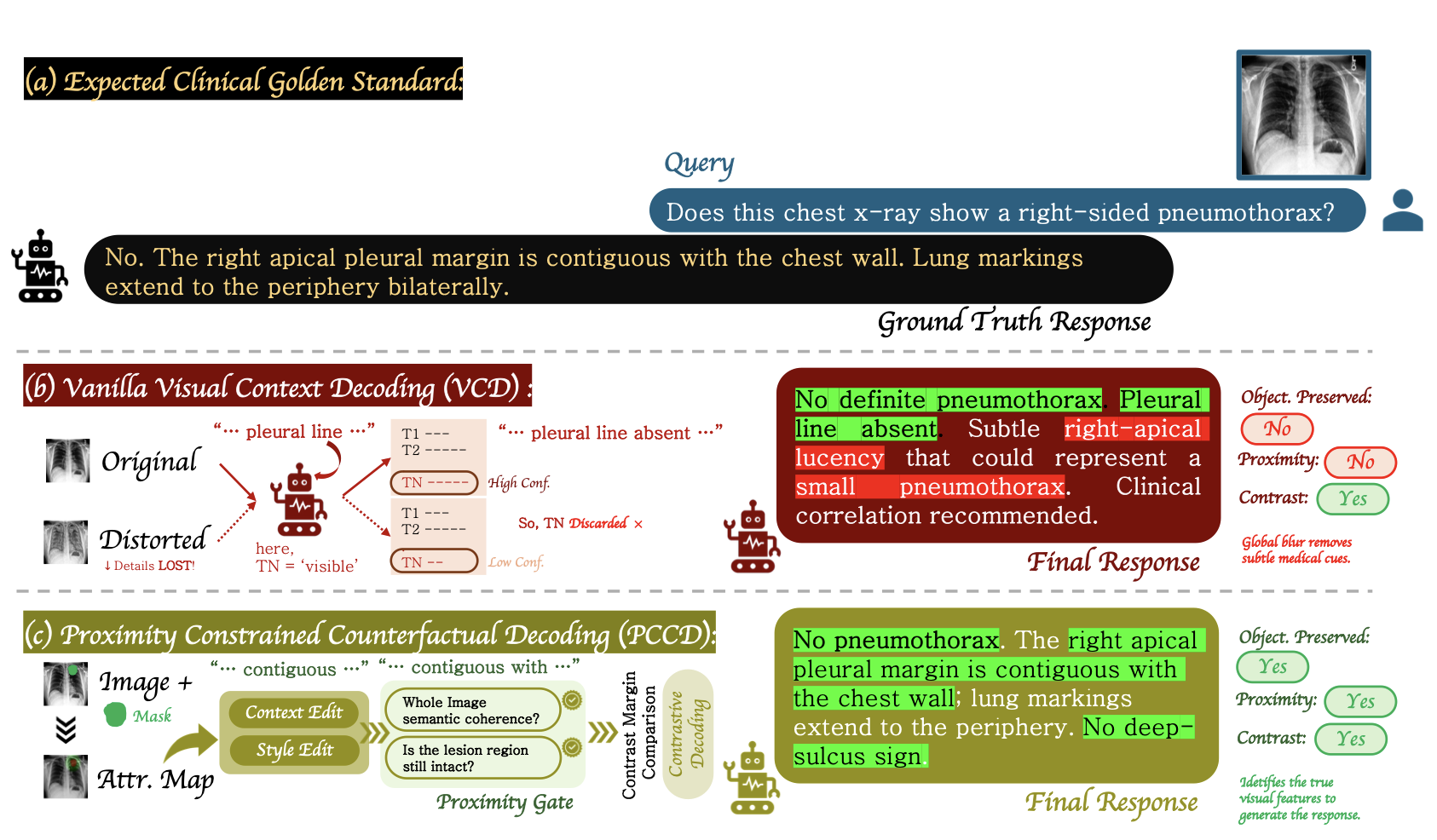
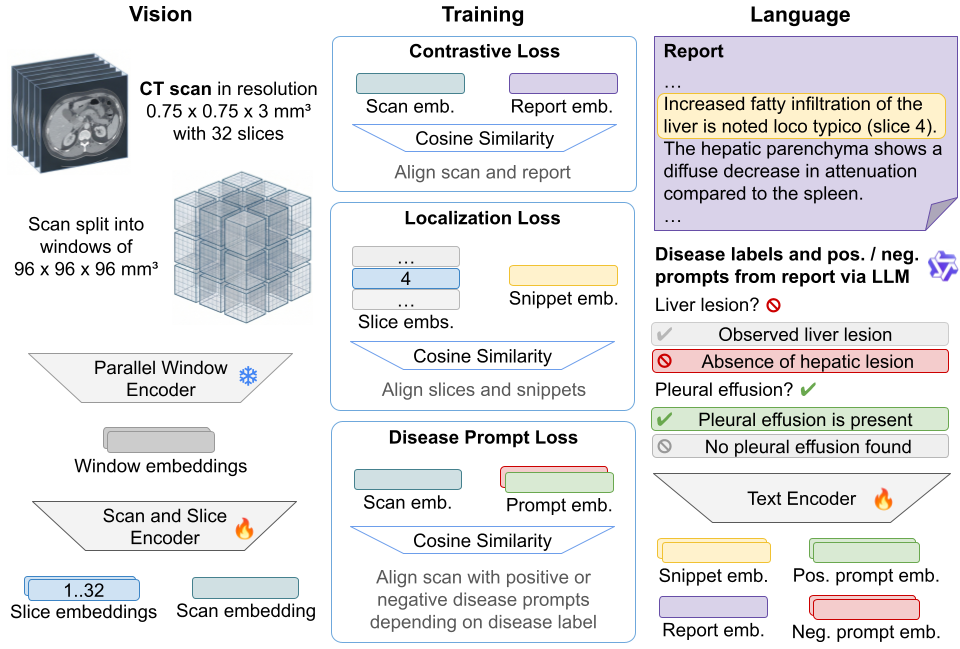
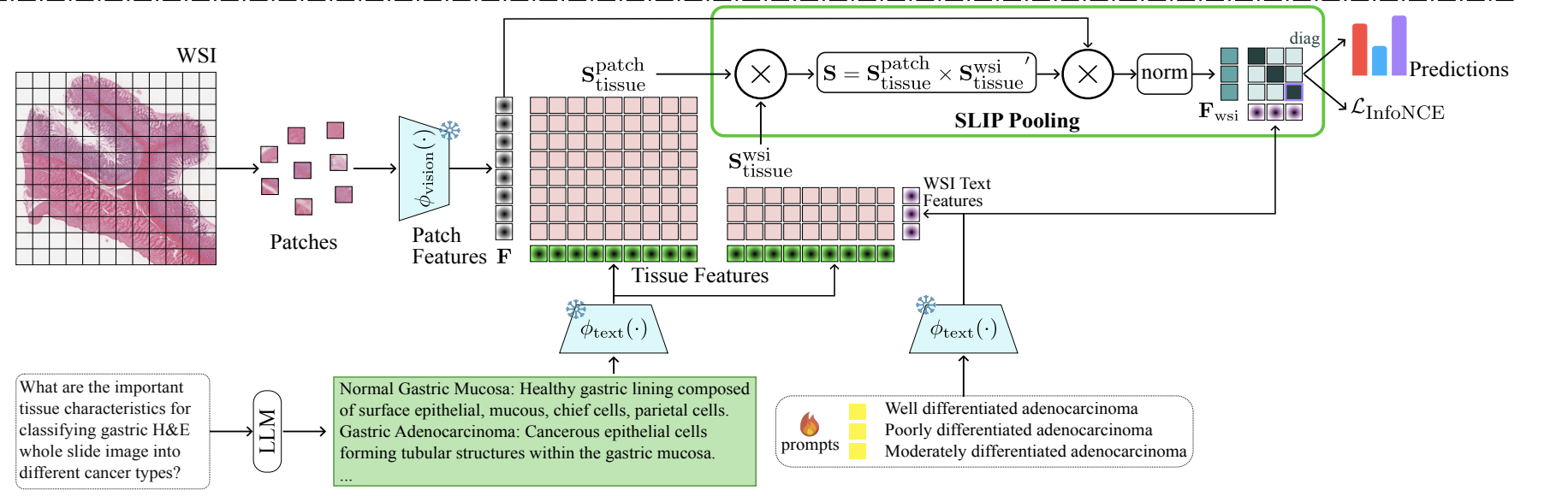
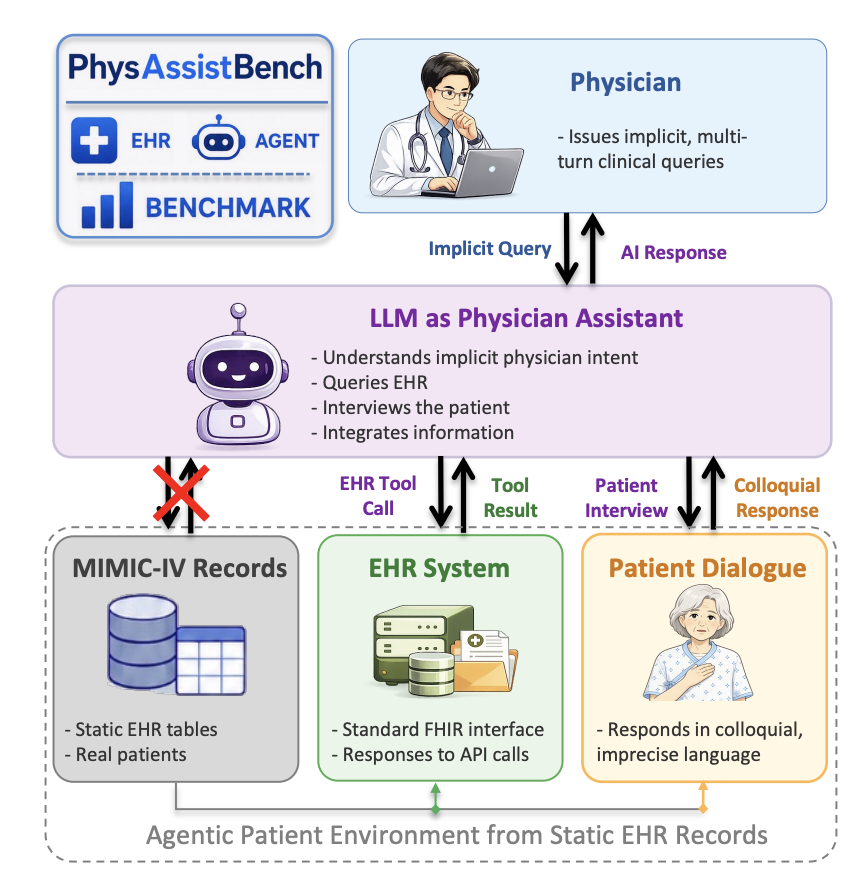
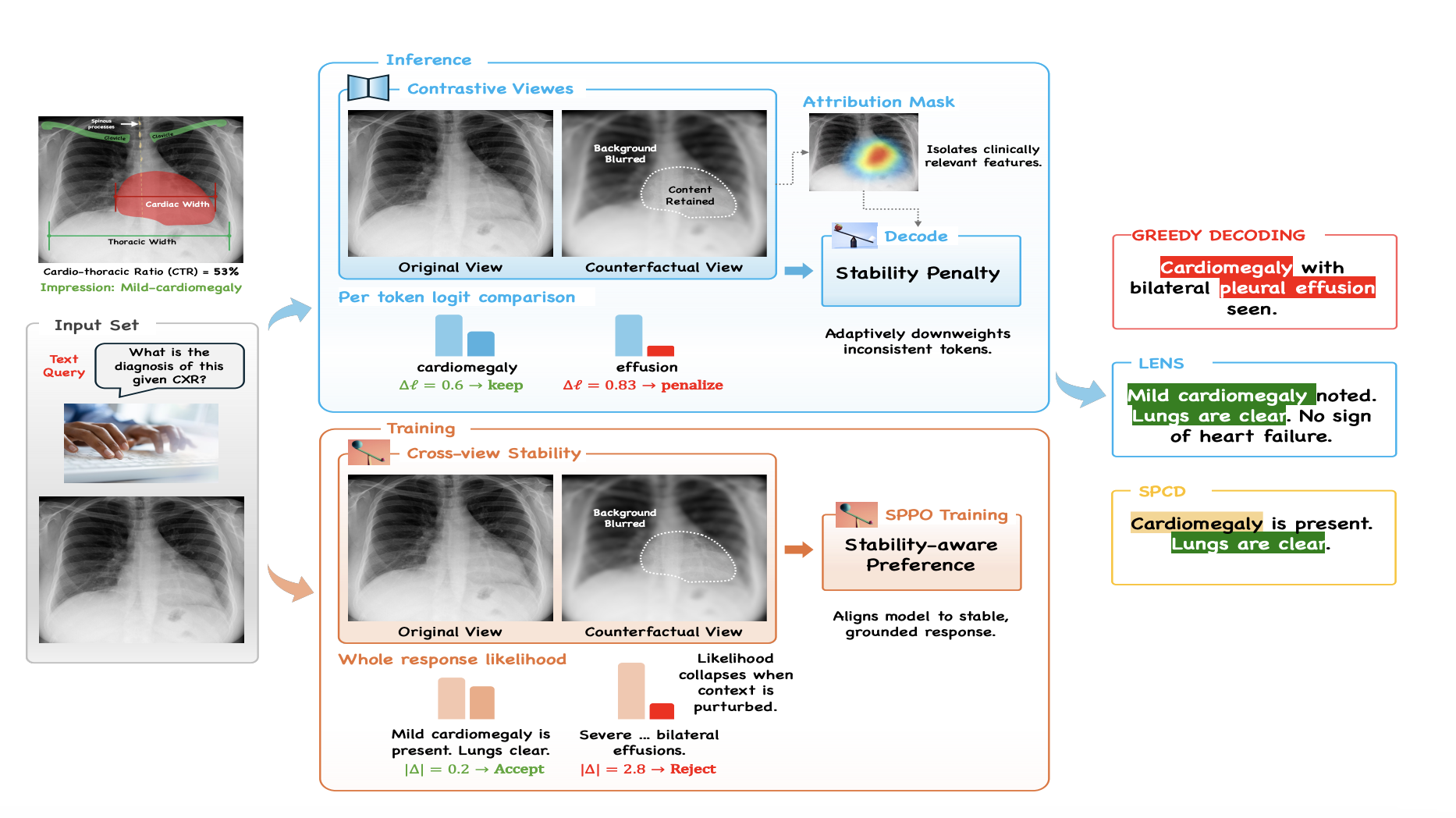
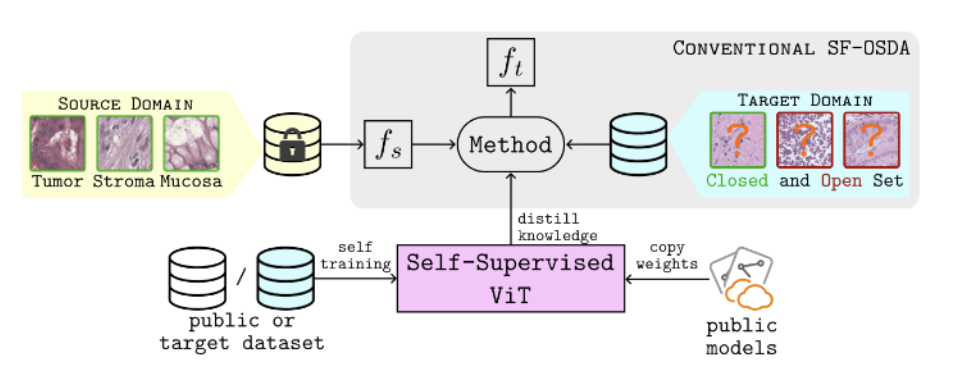
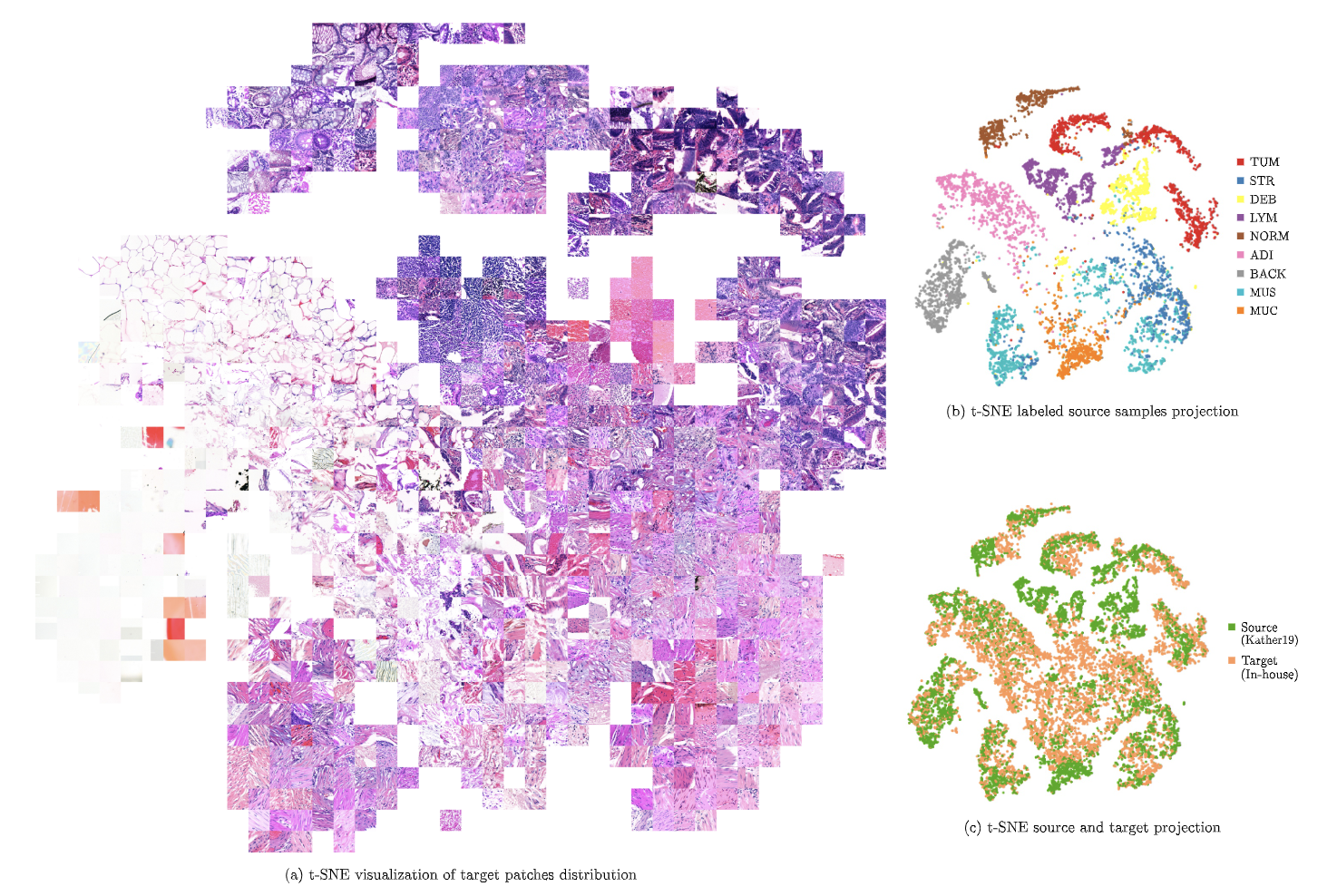
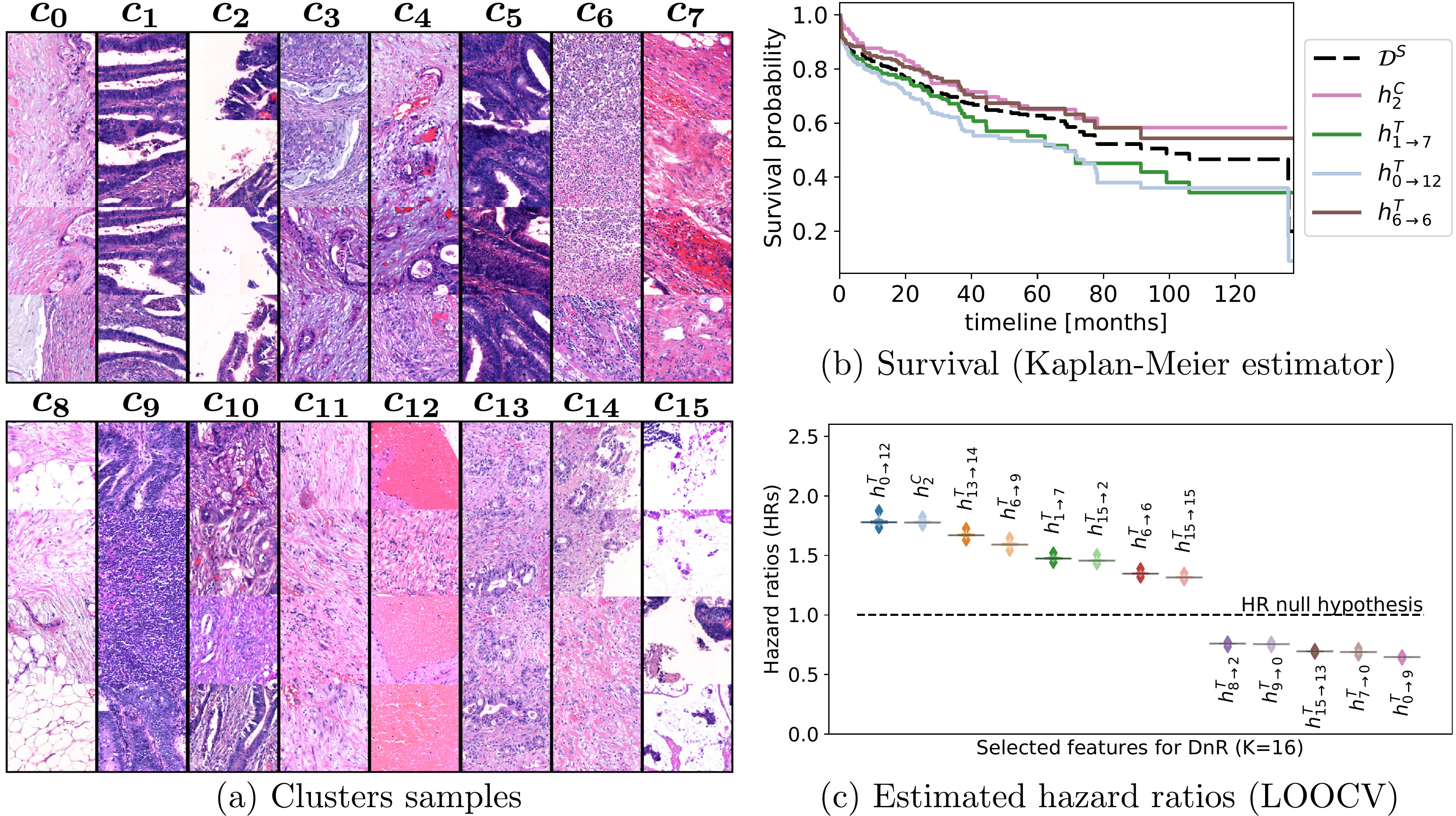
Foundation models now read radiology images, answer medical questions and ground language in anatomy, yet confident errors and hallucinated findings remain. This theme builds multimodal medical AI whose uncertainty is explicit. It includes transductive conformal prediction that returns set-valued answers with coverage guarantees for medical vision–language models, counterfactual decoding that suppresses hallucinations in medical visual question answering, disease-aware vision–language pretraining for 3D CT, and prompt learning with vision–language models for few-shot histopathology.

Self-supervised representation learning

What can a model learn about objects, scenes and tissue from unlabelled images alone, and can it tell when something is out of place?

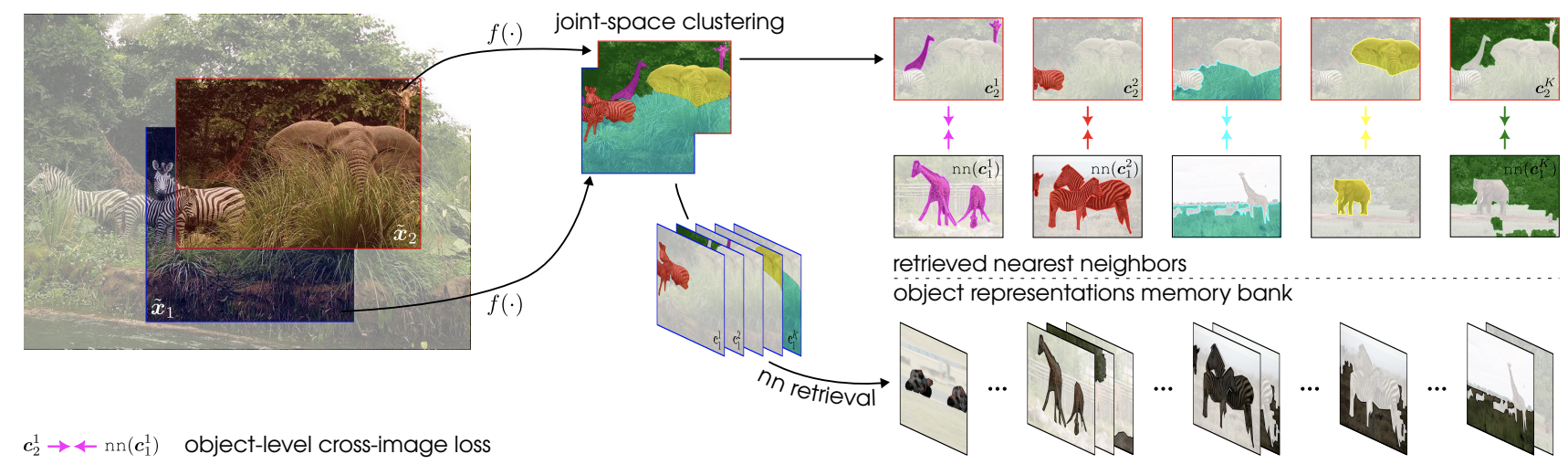
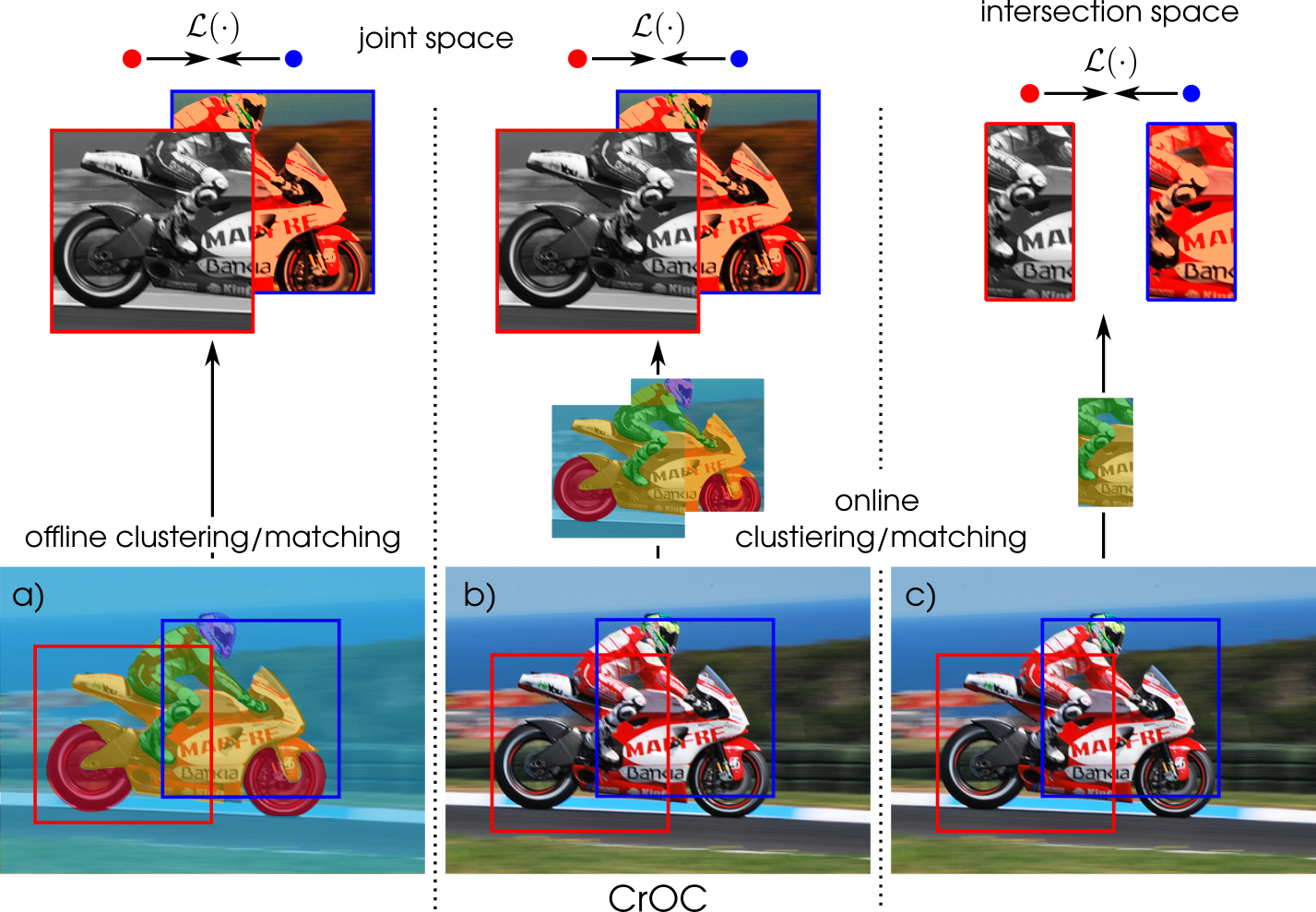
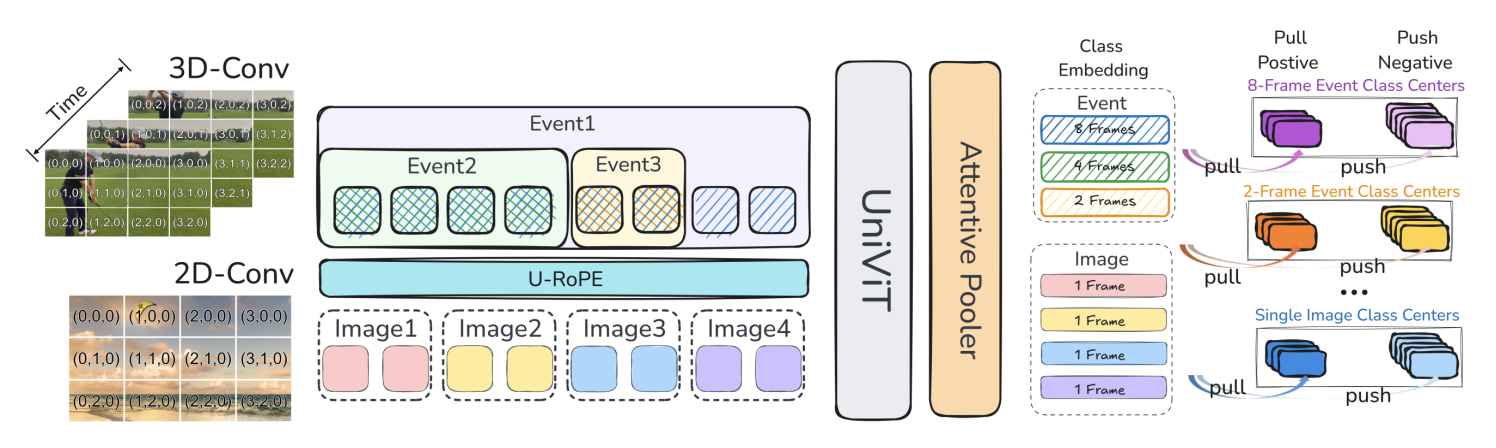
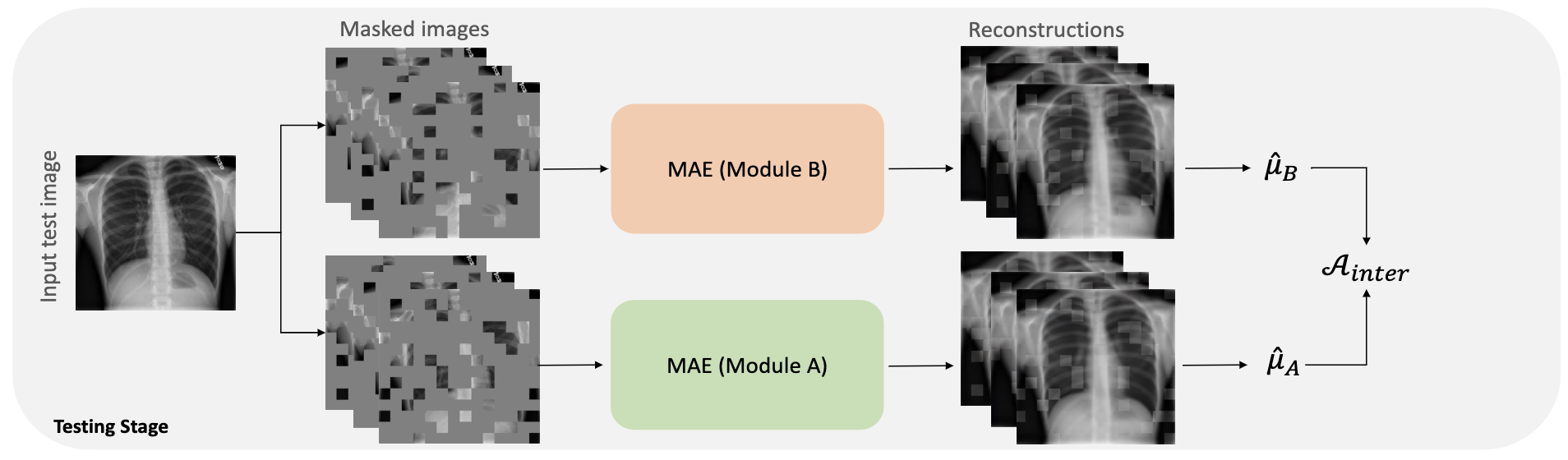
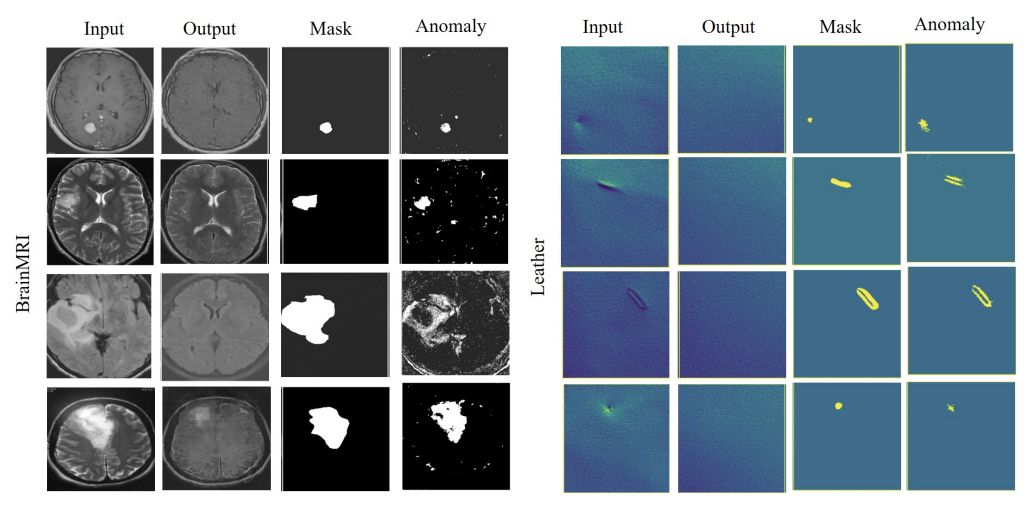
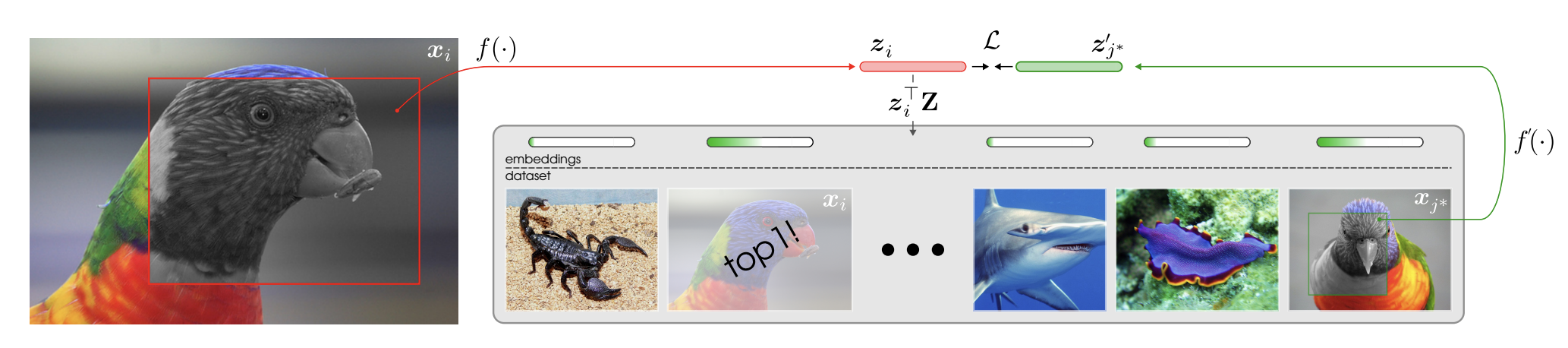
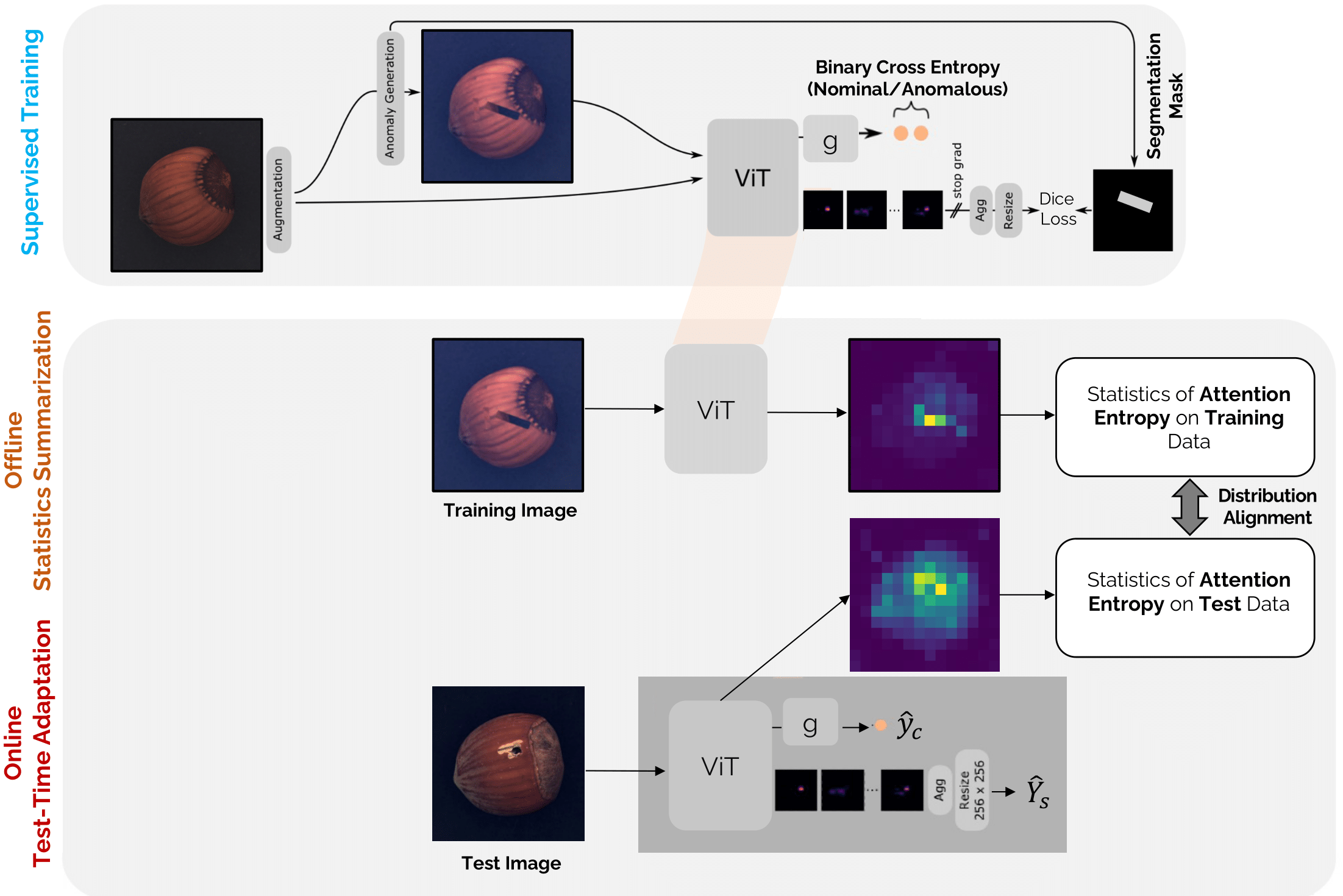
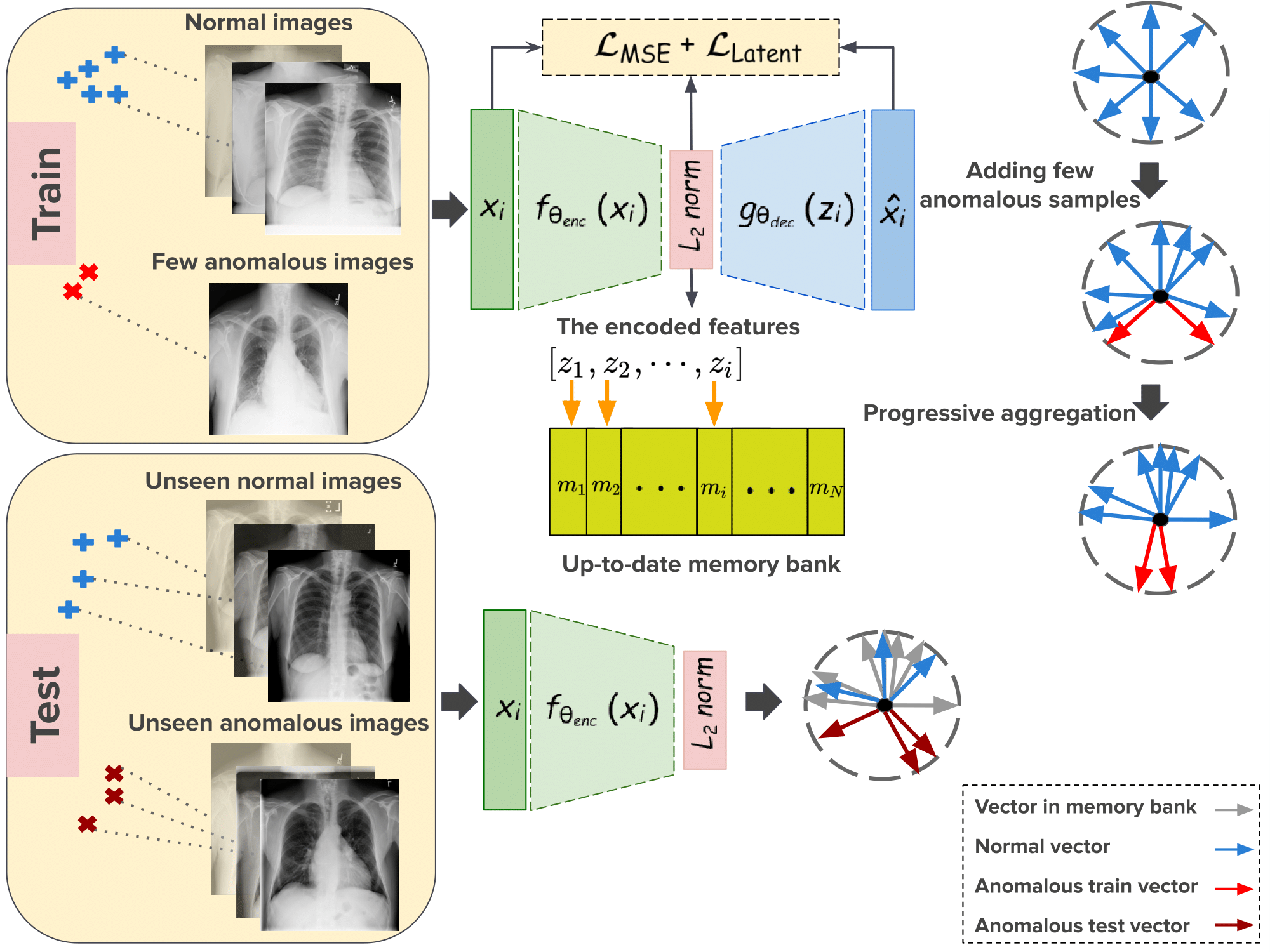
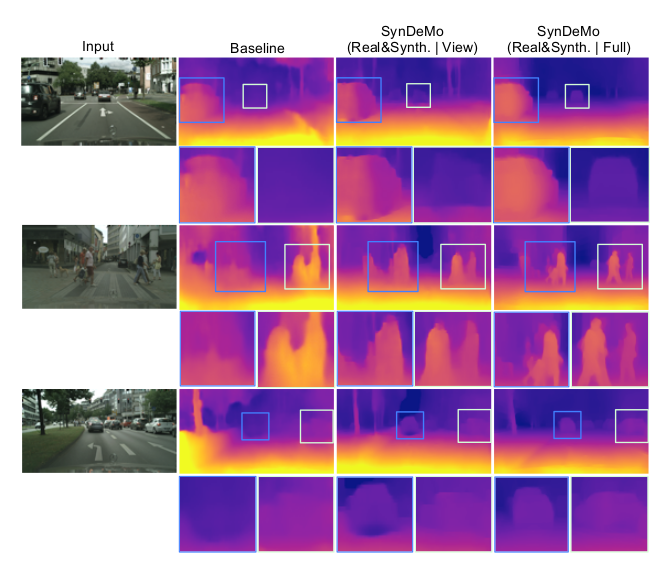
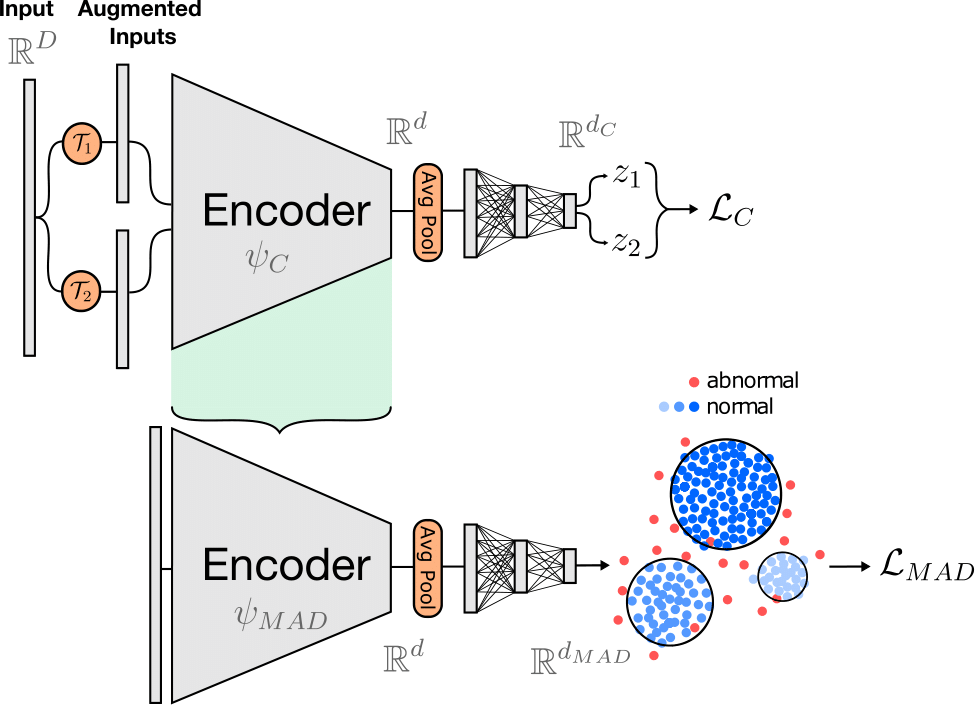
Labels are scarce and expensive, especially in medicine, so this theme learns visual representations without them. Dense and object-level self-supervision, through cross-view online clustering and cross-image object-level bootstrapping, yields features that transfer to segmentation and detection. A unified encoder brings image and video understanding together in one model. The same ideas support anomaly and out-of-distribution detection, where a model learns what normal chest X-rays or tissue types look like and flags whatever departs from it.

Physical AI and world models

Can a robot use touch to notice when something unexpected happens, remember it, and correct or stop before harm is done?

This is the newest direction of the lab and extends adaptive AI from images to physical interaction. Robotic foundation models act on vision and language, but they rarely sense what happens at the point of contact. STORM, funded by the Independent Research Fund Denmark and starting in March 2027 together with the University of Southern Denmark, will combine soft, fluid-filled tactile skin with adaptive AI so that robots sense and remember contact, recognise risks such as slipping objects, and correct their movements or stop when uncertainty is too high. In the longer term, the aim is agents that anticipate the consequences of their own actions before taking them.

Featured project

Robots that feel when something goes wrong

STORM: Soft Tactile Memory for Safe Physical-AI Correction of Robotic Foundation Models

STORM will investigate how robots can use touch to detect unexpected physical changes and safely adjust their actions. The project combines soft, fluid-filled tactile skin with adaptive AI so that robots can sense and remember contact, recognise risks such as slipping objects, and correct their movements or stop when uncertainty is too high.

Funder
Independent Research Fund Denmark (DFF)
Co-PI
Prof. Ahmad Rafsanjani, SDU
Grant
DKK 7.2 million in total across AU and SDU
Start
1 March 2027
News

Recent updates

  1. Awarded DKK 7.2 million from Independent Research Fund Denmark to lead STORM, developing robots that use touch to adapt safely to changing conditions.

  2. Elected as an ELLIS Scholar at the ELLIS Unit Lausanne.

  3. Two papers have been accepted to EMNLP 2026 (CORE A*) — one to the Main Conference and one to Findings of the ACL.

  4. RadFinder (our disease-aware VLM for 3D CT) has been accepted to MICCAI 2026 (Oral).

  5. My DIGIT grant proposal has been selected for funding.

  6. One paper has been accepted to ECCV 2026.

  7. Several papers have been accepted to MICCAI 2026.

Show earlier newsHide earlier news

2026

  1. I have been awarded an AIAS Associate Fellowship at Aarhus University.

  2. One paper has been accepted to ICML 2026.

  3. My research has been featured in Aarhus University news: Building reliable AI for a changing world.

  4. My paper on conformal prediction for medical vision–language models has been accepted to CVPR 2026 (Oral).

  5. Serving as a Senior Area Chair for NeurIPS 2026.

  6. The A3 Lab page is now live at Aarhus University, showcasing our research on Adaptive & Agentic AI.

  7. I am co-organising the international conference on Intelligent Data Engineering and AI 2026 (IDEA 2026).

  8. Serving as a Senior Area Chair for ICML 2026.

  9. Serving as an Area Chair for BMVC 2026.

  10. Started as Associate Professor in Computer Vision and Artificial Intelligence at Aarhus University, and joined the affiliated Aarhus DIGIT Research Centre.

  11. Hiring a fully funded PhD on test-time adaptation and agentic AI at Aarhus University.

  12. Appointed as Principal Investigator at the Pioneer Centre for AI (P1).

  13. Appointed as a member of the Nordic Society for Computational Social Science (NoSoCS).

  14. New Workshop Accepted! I am organising the 3rd Workshop on Test-Time Updates (TTU) at ICLR 2026.

2024

  1. Our joint paper on Generalized Zero Shot Chest X-ray Classification has been accepted by Transactions on Medical Imaging (T-MI).

  2. Our joint paper on active learning is now published in Medical Image Analysis (MedIA).

  3. I have been appointed as an Associate Editor of IET Computer Vision.

  4. I'll be serving as a reviewer for NeurIPS 2024.

  5. Our paper 'UnMix-TNS', Un-Mixing Test-Time Normalization Statistics: Combatting Label Temporal Correlation has received acceptance from ICLR 2024.

  6. Our paper 'CrIBo', Self-Supervised Learning Via Cross-Image Object-Level Bootstrapping has received acceptance from ICLR 2024.

2023

  1. Our joint work with KU Leuven, AdaSim: Adaptive Similarity Bootstrapping for Self-Distillation based Representation Learning, has received acceptance from ICCV 2023.

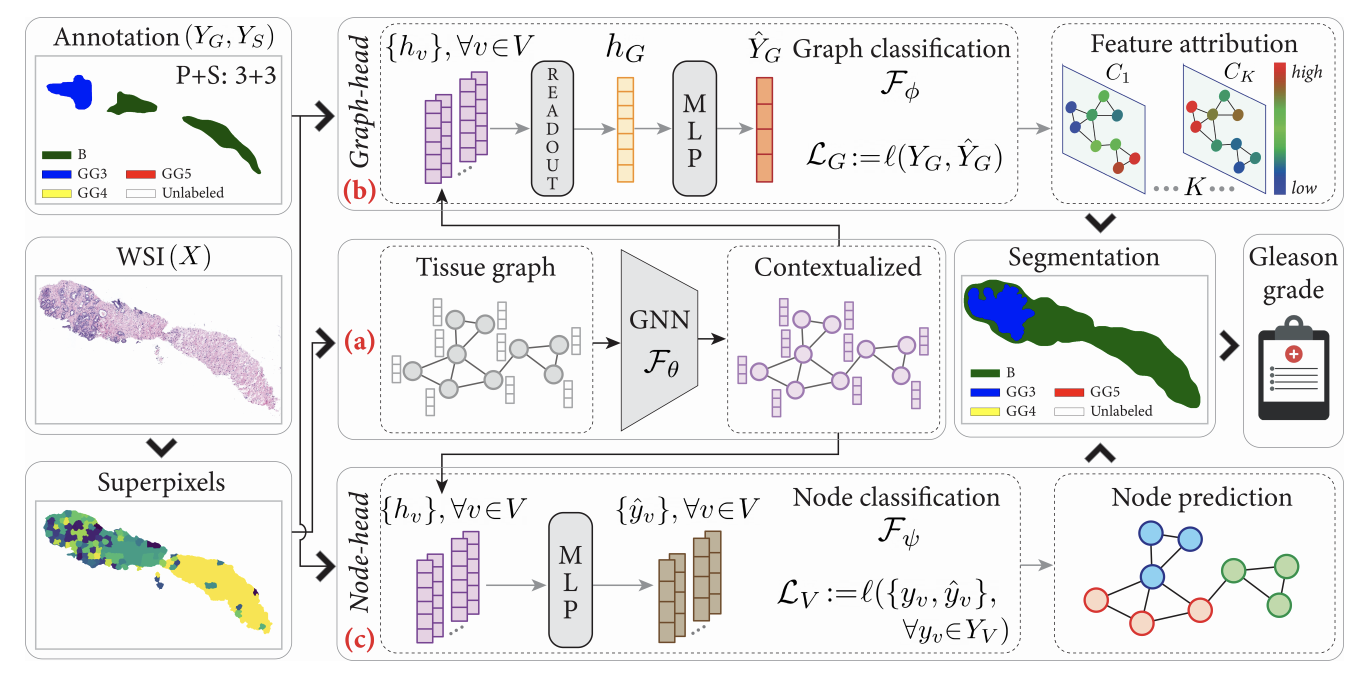
  2. Our joint work with IBM Zurich Research Lab, Weakly Supervised Joint Whole-Slide Segmentation and Classification in Prostate Cancer, has received acceptance from journal of Medical Image Analysis (MedIA).

  3. Two papers have received acceptance from MICCAI 2023.

  4. Our paper, TeSLA: Test-Time Self-Learning With Automatic Adversarial Augmentation, has received acceptance from CVPR 2023.

  5. Our paper, CrOC: Cross-View Online Clustering for Dense Visual Representation Learning, has received acceptance from CVPR 2023.

  6. Our joint work with the University of Bern, namely 'SAGTTA' on test-time augmentation, has been accepted to ISBI 2023.

2022

  1. Our paper on self-supervised anomaly localization has received acceptance from AAAI 2023 (acceptance rate of 19.6%) (Oral).

  2. Our paper won First Runner up award at the AIMIA Workshop at ECCV 2022.

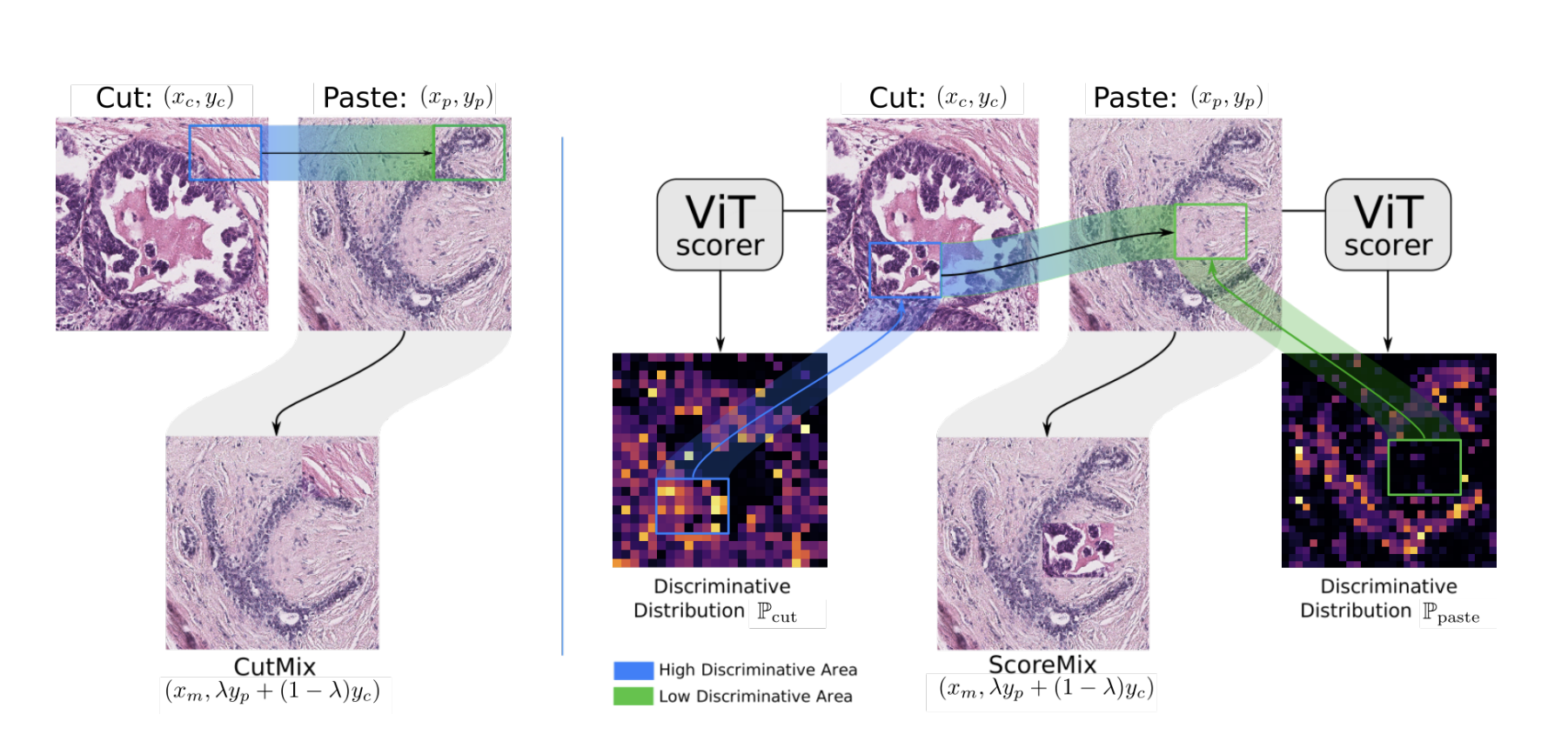
  3. Our new paper, ScoreNet, has received acceptance from WACV 2023.

  4. Our new paper on transformer-based anomaly detection and localization has received acceptance from BMVC 2022.

  5. My patent on system and method for domain adaptation has been published.

  6. Two papers have received acceptance from ECCV 2022 AIMIA Workshop.

  7. My patent on annotation-efficient image anomaly detection has been published.

  8. I joined the editorial board of a Journal of Computer Vision and Machine Learning.

  9. Code for OptTTA has been released in PyTorch.

  10. Our new paper, OptTTA, has received acceptance from MIDL 2022 for an oral presentation.

Publications

Publications

The list on this page is a selection; the complete record is on Google Scholar.

Show
Topic
Year

Showing 12 of 41 publications

Teaser figure for LENS

NewLENS: Exploiting the Cross-View Stability Gap for Hallucination Mitigation in Medical Vision–Language Models

Dwarikanath Mahapatra, Abhijit Das, Sudipta Roy, Behzad Bozorgtabar, Imran Razzak

EMNLP 2026 — Main Conference

Teaser figure for Proximity-Constrained Counterfactual Decoding for Hallucination-Robust Medical VQA

NewProximity-Constrained Counterfactual Decoding for Hallucination-Robust Medical VQA

Dwarikanath Mahapatra, Abhijit Das, Manish Kumar Pandey, Joy Dhar, Sudipta Roy, Zongyuan Ge, Behzad Bozorgtabar, Imran Razzak

ECCV 2026

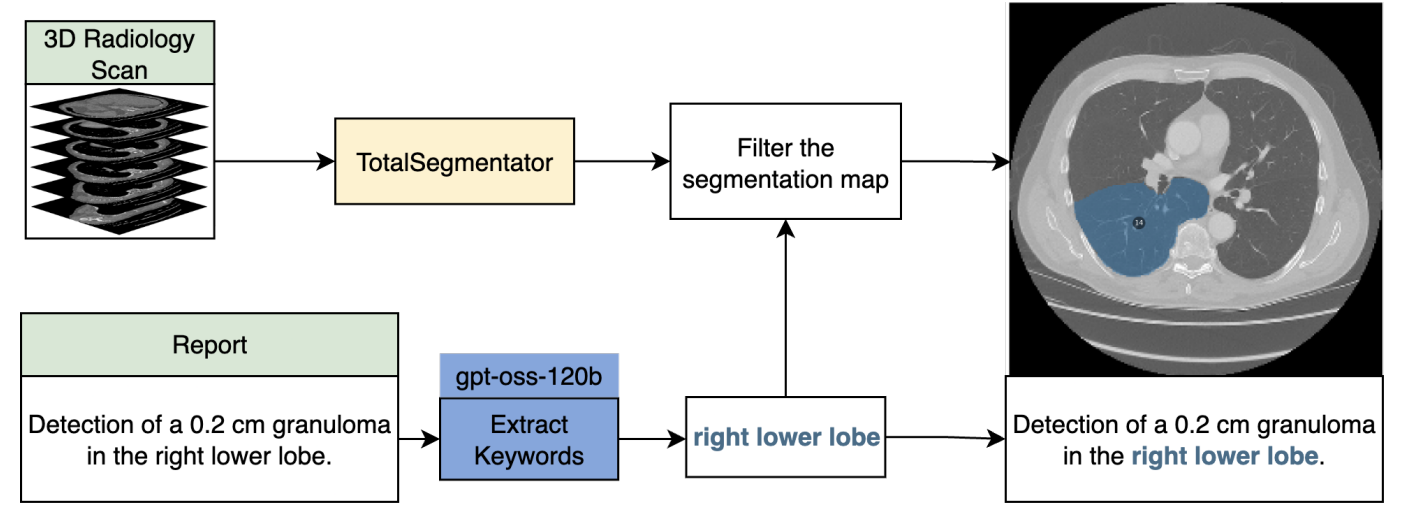
Teaser figure for Scalable Training of Spatially Grounded 2D Vision–Language Models for Radiology

NewScalable Training of Spatially Grounded 2D Vision–Language Models for Radiology

Simon Ging, Yusuf Salcan, Robin Schirrmeister, Philipp Arnold, Elmar Kotter, Behzad Bozorgtabar, Thomas Brox

MICCAI 2026

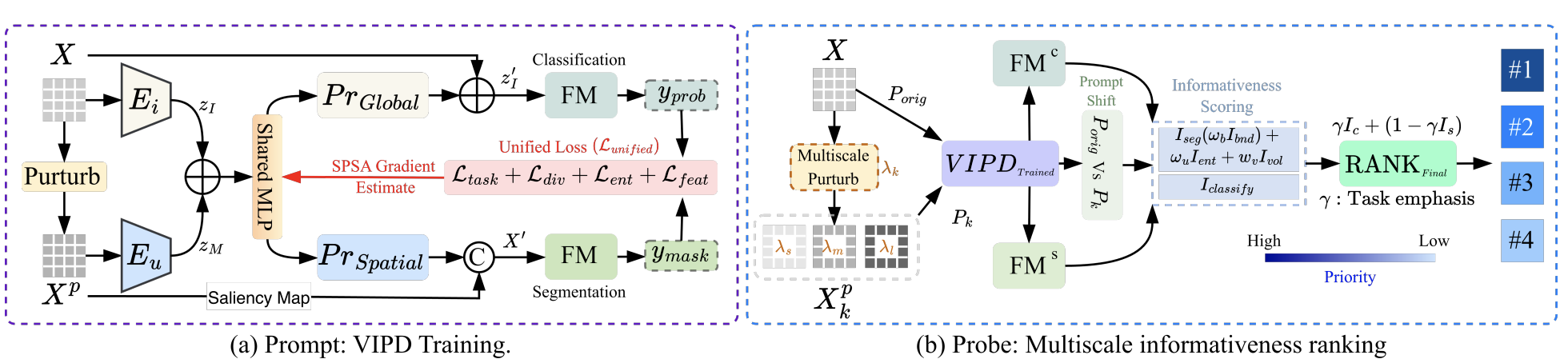
Teaser figure for Prompt and Probe

NewPrompt and Probe: Data-Efficient Adaptation of Black-Box Foundation Models via Unified Active Visual Prompting

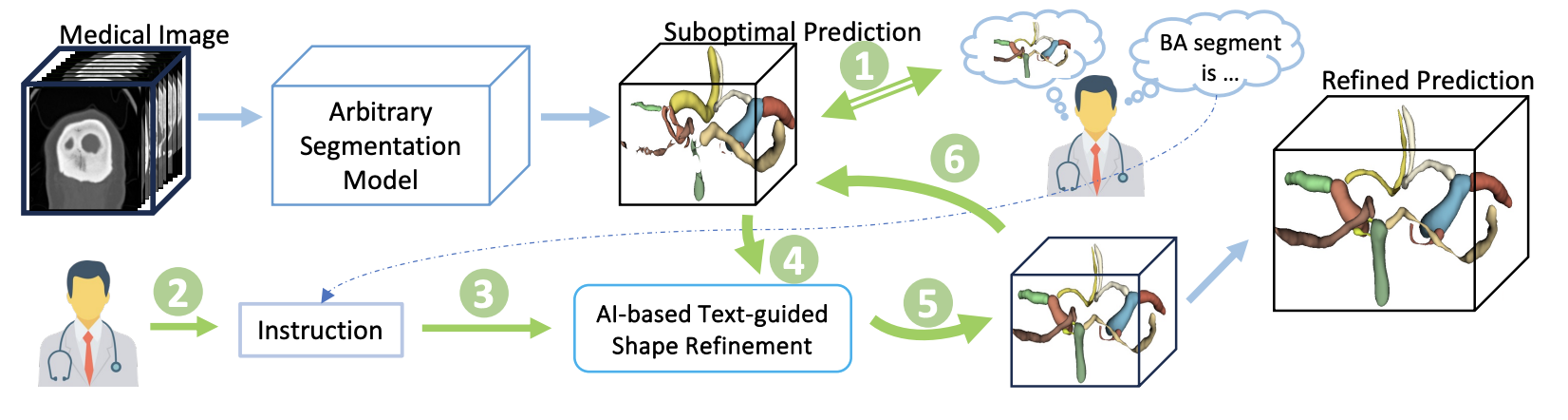
Dwarikanath Mahapatra, Abhijit Das, Sudipta Roy, Manish Pandey, Joy Dhar, Nayyar Zaidi, Zongyuan Ge, Behzad Bozorgtabar, Mauricio Reyes, Imran Razzak

MICCAI 2026

* equal contribution

Research group

A3 Lab and people

Adaptive & Agentic AI (A3) Lab

I founded and direct the A3 Lab at Aarhus University. We build trustworthy adaptive and agentic AI, with a focus on test-time adaptation, multimodal foundation models and self-supervised learning, for safe and auditable deployment under domain shift in real-world settings. The lab site carries the group's own news, people and open positions.

Current

  • ELLIS PhD exchangeSimon Ging (2026–present) — vision–language modelling for radiology
  • PhD · Aarhus UniversityAndro Erdelez (2026–present) — previously an ELLIS MSc student working on hyperbolic vision–language models
  • Remote projectShayan Baghayi Nejad (2025–present) — diffusion models for robust visual perception
  • Remote projectAtharv Kshirsagar (2025–present) — multi-armed bandits for adaptive decision-making

Alumni · EPFL, supervised or co-supervised

  • PhD · EPFLDevavrat Tomar (2021–2025) — adaptive test-time learning under shift
  • PhD · EPFLGuillaume Vray (2021–2025) — robust test-time adaptation in the wild
  • PhD · EPFLThomas Stegmüller (2021–2025) — self-supervised representation learning
  • PhD · EPFLChristian Abbet (2019–2023) — self-supervision for patient stratification
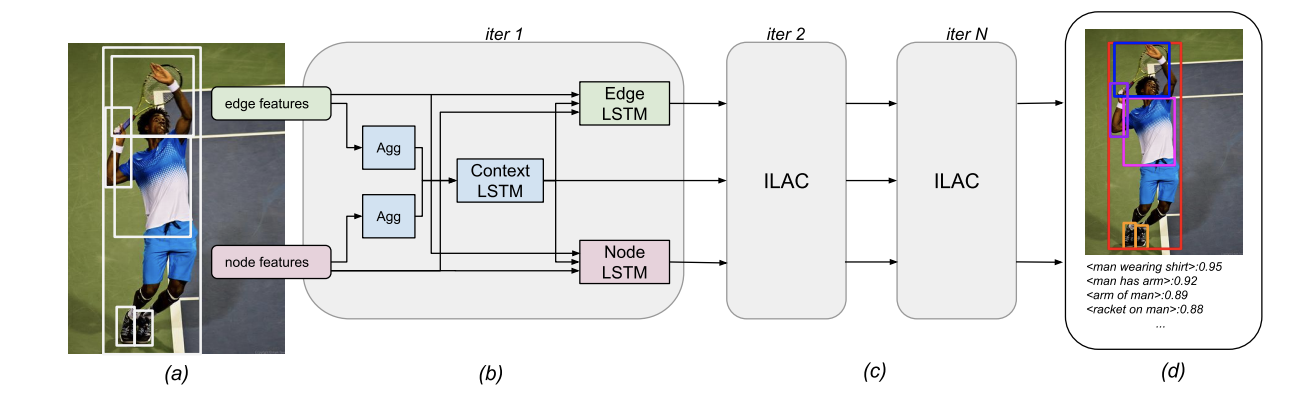
  • PhD · EPFLGuillaume Jaume (2018–2022) — graph learning for computational pathology
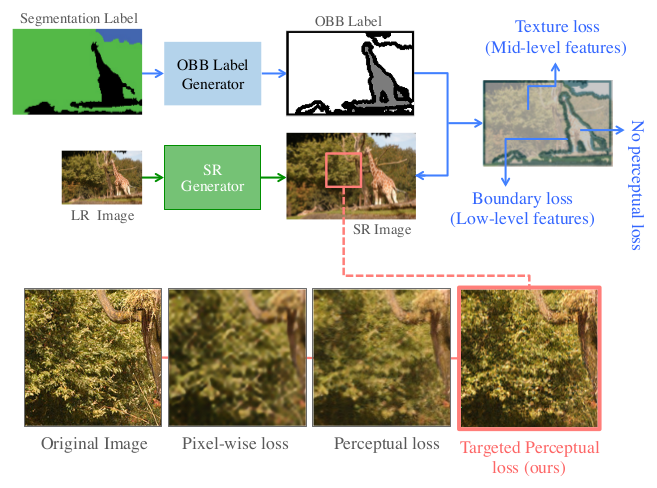
  • PhD · EPFLMohammad Saeed Rad (2018–2021) — context-aware image super-resolution
  • Postdoc · EPFLBenoit Dufumier (2025) — multimodal contrastive learning
  • Postdoc · EPFLMing Jiang (2017–2020) — inverse problems and computational imaging
  • MSc · EPFLArda Barış Başaran (2025–2026) — VLM-based promptable quality control
  • MSc · EPFLXufeng Gao (2024–2025) — persistent test-time adaptation
  • MSc · EPFLYann Becker (2024–2025) — optimal augmentations for VLMs
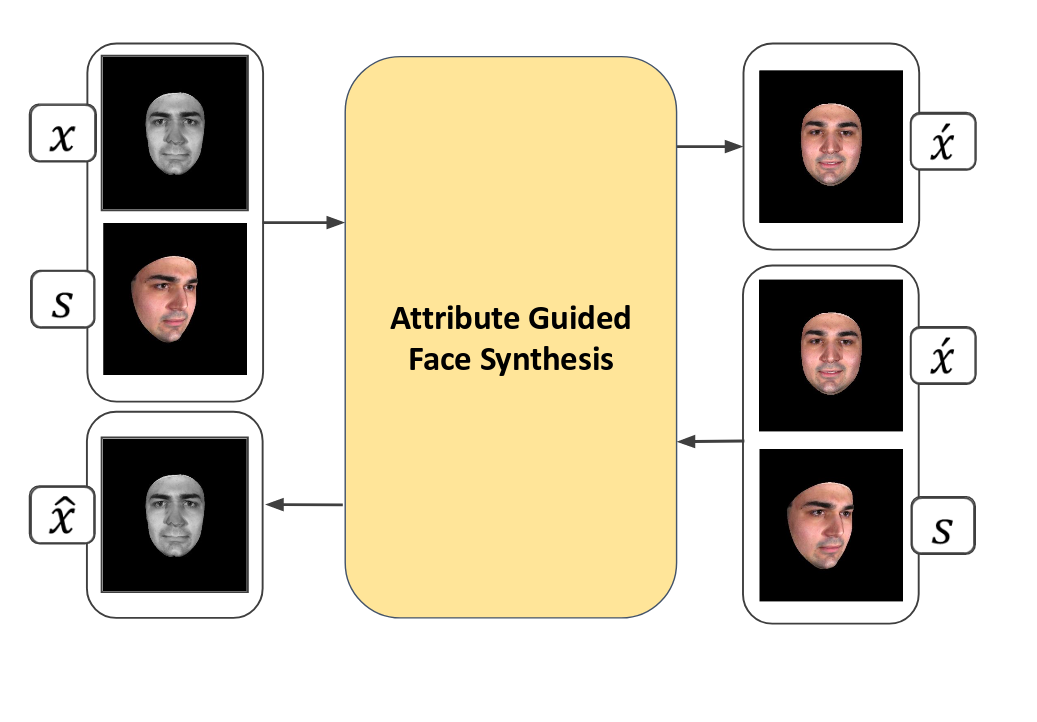
  • MSc · EPFLTanguy Albrici (2019–2020) — geometry-guided facial expression recognition
  • MSc · EPFLSaleh Baghersalimi (2018–2019) — efficient skin-lesion segmentation

Academic friends

  • Prof. Dwarikanath Mahapatra Khalifa University, UAE
  • Prof. Zongyuan Ge Monash University, Australia
  • Prof. Roland Goecke UNSW Canberra, Australia · my PhD supervisor
  • Prof. Jean-Philippe Thiran EPFL, Switzerland
  • Prof. Imran Razzak MBZUAI, UAE
  • Prof. Evan Shelhamer UBC, Canada · workshop co-organiser
  • Prof. Sudipta Roy Jio Institute, India
  • Prof. Mauricio Reyes University of Bern, Switzerland
  • Prof. Jiancheng Yang Aalto University, Finland
  • Prof. Ahmad Rafsanjani University of Southern Denmark (SDU), SDU Soft Robotics · STORM co-PI
Miscellanea

Talks, service, teaching and more

Talks and keynotes

Academic service

Teaching and mentoring

  • Main Lecturer, Image Analysis and Pattern Recognition (EE-451), EPFL Master's programme, with Prof. Jean-Philippe Thiran. 2019–2025
  • Main Lecturer, Lab in Signal and Image Processing (EE-490(f)), EPFL Master's programme, with Prof. Jean-Philippe Thiran. 2019–2025
  • Host and supervisor of ELLIS exchange students at Aarhus University. 2026–
  • Supervised or co-supervised six EPFL PhD students to completion and two EPFL postdoctoral researchers; currently supervising PhD and project students at Aarhus University (see A3 Lab and people).

Awards and fellowships

  • AIAS Associate Fellowship, Aarhus Institute of Advanced Studies. 2026
  • ELLIS Scholar & Advisor, ELLIS PhD & Postdoc Programme (2026); elected ELLIS Member (2021).
  • IEEE TMI Distinguished Reviewer Award. 2024
  • First Runner-up, AIMIA Workshop at ECCV 2022.
  • IBM Research Division Image Award and IBM First Patent Award, IBM Research Australia. 2017
  • Microsoft Imagine Cup, Australian Finals. 2014
  • International Postgraduate Research Scholarship, Australia. 2012

Patents and research translation

Funded research

  • PI, STORM: Soft Tactile Memory for Safe Physical-AI Correction of Robotic Foundation Models, Independent Research Fund Denmark (DFF), Thematic Research – Research on Artificial Intelligence, 2026; DKK 7.2 million in total across AU and SDU, with Prof. Ahmad Rafsanjani, University of Southern Denmark; starts 1 March 2027.
  • PI, DIGIT Centre Grant (from 2026), Aarhus University, on adaptive and trustworthy AI for digitalisation research.
  • PI, AUFF Recruiting Grant 2026, Aarhus University Research Foundation.
  • Earlier, at EPFL, partner and scientific machine-learning lead on an SNSF project on MR spectroscopy mapping for hepatic encephalopathy (2021–2025), work-package lead on an Innosuisse project with Cortexia (2022–2025), senior scientific lead on a Swiss Cancer League project on colorectal cancer risk stratification (2018–2021), and Co-PI on a PHRT (ETH Domain) project on colorectal cancer outcome and molecular subtyping (2018–2021).
  • Competitive HPC allocations on LUMI (EuroHPC JU, 2023) and at CSCS, the Swiss National Supercomputing Centre (2024).
Contact

Get in touch

Office

Department of Electrical and Computer Engineering

Aarhus University, Denmark

Prospective students

Open PhD and project positions are announced on the A3 Lab open-positions page.